To game without bottlenecks, the graphics card calls the shots — but the processor, RAM and (on laptops) the display also decide whether the experience feels smooth or frustrating. Here's what we look at in every review.
If you're gaming above 1080p or want headroom for the next few years, don't go below 16GB of RAM or a 512GB SSD — loading games off a mechanical hard drive makes no sense today.
Our picks
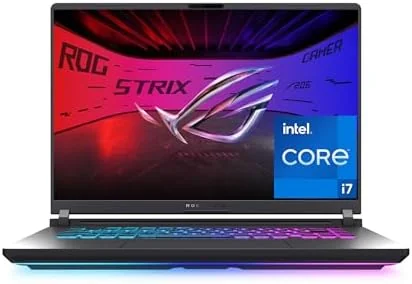
ASUS ROG Strix G16 (2025) — RTX 5060, Core i7-14650HX, 16GB, 1TB SSD
Graphics performance above the catalog average.
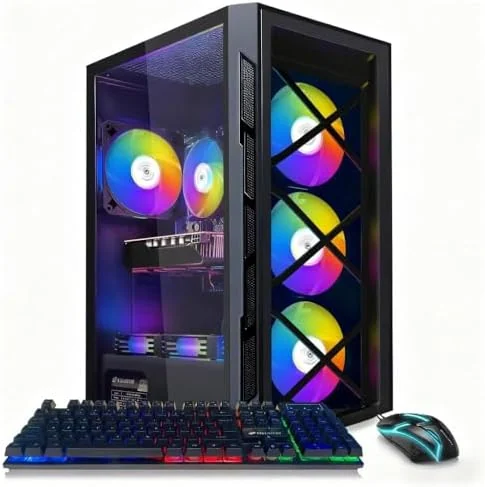
STGAubron Gaming Desktop — Core i7, GTX 1660 Super 6G, 16GB RAM, 512GB SSD
Graphics performance above the catalog average.
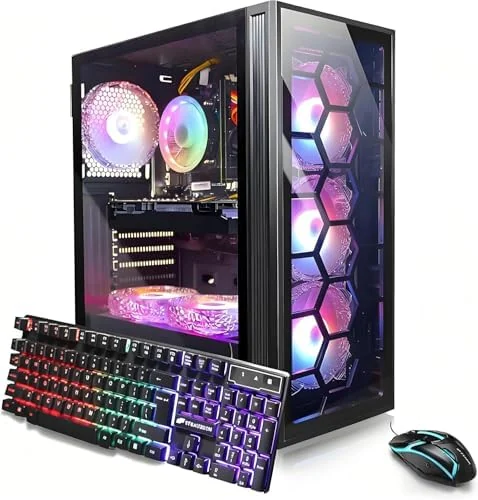
STGAubron Gaming Desktop — Core i7, RTX 2060 Super 8G, 32GB RAM, 1TB SSD
Graphics performance above the catalog average.
Frequently asked questions
Is a gaming laptop worth it, or is a desktop better?
A desktop gives more performance for the same price; a laptop wins if you need to move around. Choose based on how much you'll actually travel with the machine.
How many FPS do I need?
For comfortable 1080p gaming, aim for at least a stable 60 FPS; if your monitor has a high refresh rate, prioritize the graphics card even more.
Does cooling matter?
Yes — a powerful machine with poor cooling loses performance to thermal throttling during long sessions.